HIGH TODAY, HOSPITAL TOMORROW .THE CANCER .RISKS OF DRUG ADDICTION
There is a quiet silence in oncology wards that feels different from any other hospital silence. It's heavy, thoughtful, and full of hidden sadness. In many of those rooms, patients once thought they were just trying to feel better and better from stress, loneliness, peer pressure, or emotional pain. Now, they're trying to keep their breath, track their blood counts, and wait for biopsy results. Drug addiction is often seen as a problem with the law, a social issue, or a mental health challenge. But rarely do we treat it with the seriousness it deserves, considering its big role in causing cancer. The link is real, well-documented, and very serious. The short-term "high" that gives a sense of escape can, over time, lead directly to chemotherapy and terminal illness.
ARTICLES
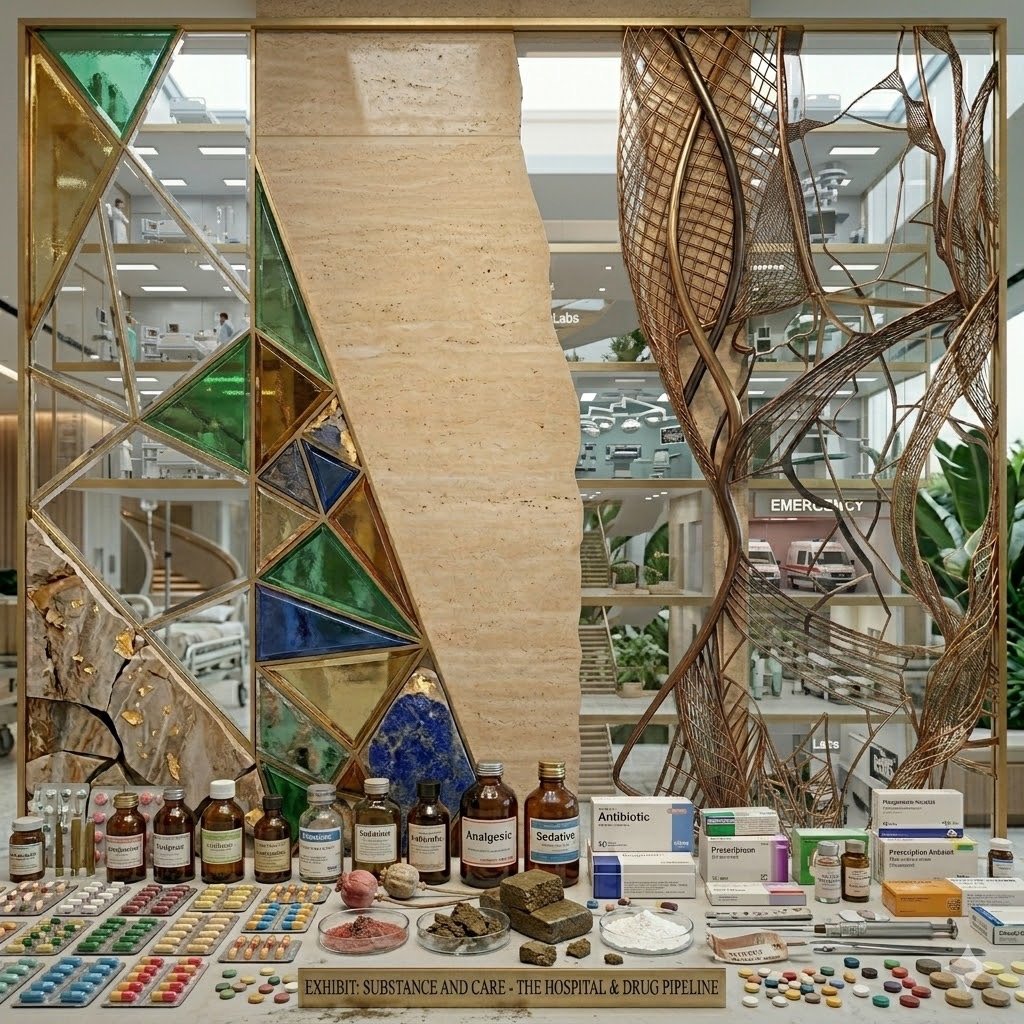
High Today Hospital, Tomorrow Risks of Drug Addiction
Nazakat Ahmad, Govt Degree College Sogam
There is a quiet silence in oncology wards that feels different from any other hospital silence. It's heavy, thoughtful, and full of hidden sadness. In many of those rooms, patients once thought they were just trying to feel better and better from stress, loneliness, peer pressure, or emotional pain. Now, they're trying to keep their breath, track their blood counts, and wait for biopsy results. Drug addiction is often seen as a problem with the law, a social issue, or a mental health challenge. But rarely do we treat it with the seriousness it deserves, considering its big role in causing cancer. The link is real, well-documented, and very serious. The short-term "high" that gives a sense of escape can, over time, lead directly to chemotherapy and terminal illness.
The Beginning: Not Rebellion, But Vulnerability Addiction usually doesn’t start with being reckless.
It starts with being weak. A teenager wanting to fit in with friends. A college student dealing with anxiety. A worker trying to handle exhaustion. A person trying to feel less hurt. The first cigarette is often just to be social. The first drink is for celebration. The first drug might even feel powerful. But what happens next is a quiet change in the body. Addictive substances make the brain release a lot of dopamine, creating feelings of pleasure. The brain starts wanting more of that feeling. Over time, the body needs more to feel the same. It becomes dependent. As the brain adjusts to this, the body takes damage that builds up over years.
The illusion of control slowly disappears.
The harm stays.
The Unseen Biological Attack Cancer doesn’t appear all at once.
It comes from repeated damage to cells. Many addictive substances contain cancer-causing chemicals that hurt DNA. Others cause long-term inflammation, weaken the immune system, or produce harmful free radicals, all of which make abnormal cell growth more likely. Take tobacco. It has thousands of chemicals, many of which cause cancer. These harmful substances get inside the lungs, blood, and organs, changing genetic material and stopping normal cell growth. Over time, healthy cells turn into cancerous cells. Alcohol, which is often accepted in social settings, turns into a harmful chemical called acetaldehyde that harms DNA and proteins. Drinking too much damage the liver, often leading to a condition called cirrhosis, which is a major cause of liver cancer. It's also linked to breast, esophagus, and colon cancers. Using drugs through needles can spread diseases like hepatitis B and C, both of which are tied to liver cancer.HIV weakens the immune system, making it harder for the body to find and destroy unhealthy cells. Even newer drugs, often sold as safe or fun, have long-term effects that aren’t well understood. Early studies suggest they can cause oxidative stress and immune problematic conditions that help cancer to grow.
Addiction isn’t just a mental problem.
It's a long-term attack on the body.
The Danger of Delay One of the saddest parts of cancer from addiction is that it's often diagnosed too late.
People struggling with substance use often skip regular health checkups. They ignore persistent coughs, unexplained weight loss, and constant tiredness. Screens are postponed. By the time someone asks for help, the disease may already be advanced.
Cancer grows during delays.
Addiction causes those delays. Fear and stigma make things worse. Many addicted people avoid seeing doctors because they're scared of being judged. Shame stops them from getting early care. This leads to late diagnosis, lower survival chances, and more intense treatment.
A preventable illness becomes a deadly one.
Families Caught in the Crossfire Drug addiction doesn’t stay with one person.
It affects family and communities. Financial problems often come with drug use. Jobs are lost. Savings disappear. Relationships suffer under emotional pressure. Children grow up in unsafe, uncertain environments. Now imagine adding cancer on top of that. The cost of treatment can be huge. Chemotherapy, radiation, surgeries, and long-term drugs need money many families can’t afford. Some sell their homes. Others take big loans. Some stop treatment halfway because they can’t pay.
Beyond the money, there's emotional pain.
Watching a loved one face the results of addiction and a deadly disease leaves families feeling angry, sad, and helpless.
The hospital becomes a place for treatment and for thinking. Thinking about time lost. Warnings ignored.Opportunities missed
.A Generation at Risk Young people are especially at risk for drug use.
Teenage years are about finding identity, experimenting, and dealing with emotions. Using addictive substances early raises the chance of becoming dependent. It also means longer exposure to harmful chemicals. A teenager who smokes at fifteen might keep that habit for decades, greatly raising the risk of lung cancer later. A young adult who drinks a lot may get liver damage before middle age. The belief that youth makes them untouchable can make them ignore long-term dangers. Cancer feels far away to the young — like a disease for older people. But damage to cells starts much earlier than symptoms show up.
The seeds are planted young.
The results may come much later.
The Emotional Pain of Regret In oncology wards, regret often feels strong.
Patients who struggled to quit addiction describe how hard it was to break free. Many feel guilty — guilty for not listening to advice, guilty for what they’ve done to family, guilty for the pain they now cause others. Addiction narrows a person’s focus. It puts immediate relief above long-term health. Cancer suddenly and painfully expands a person’s view. Knowing that the illness could have been avoided can be really tough. Anxiety and depression often come with cancer treatment, especially for those with a history of substance use.
The suffering is not just physical.
It's deep and painful emotionally and mentally.
The Cost to Society The results of cancer from addiction go beyond families.
Healthcare systems face huge costs from treating preventable diseases. Cancer treatments are expensive and use many resources. When a big part of cases are linked to avoidable behaviors like smoking and drinking, the pressure on public health budgets becomes massive.Lost productivity due to illness and premature death impacts national economies.
Communities lose experienced workers, caregivers, and contributors.Preventing addiction is not merely a moral imperative.It is an economic one.Breaking the Cycle The connection between drug addiction and cancer is not inevitable
It is preventable.Public awareness is essential.Education must go beyond moral warnings and clearly communicate Biological consequences
Young people must understand that addiction is not just about social Reputation or legal trouble it is about long-term health and survival.Access to mental health Services is equally critical. Many individuals turn to substances as coping mechanisms for Untreated trauma, anxiety, or depression
Addressing root causes reduces reliance on harmful Escapes.Strong public health policies including taxation on tobacco and alcohol, restrictions On advertising, and accessible rehabilitation programs - have proven effective in reducing Substance use.Early screening for high-risk individuals can detect cancer at treatable stages.Compassionate healthcare environments encourage addicted individuals to seek help without Fear of stigma.Most importantly, society must replace judgment with support.
Addiction is a Disease, not a moral failure.Treating it early may prevent far more devastating diagnoses later.
A Choice That Echoes
In the end, the tragedy of addiction-related cancer lies in its preventability.Every cigarette Declined, every drink refused, every step toward rehabilitation is an act of self-preservation.It is a choice that protects not only the present moment but the decades that follow.The euphoria Of a high fades quickly.The consequences may not.Hospital corridors are filled with stories that Began casually a social smoke, a weekend drink, an experimental substance.None began With the intention of ending in an oncology ward.And yet, too often, they do.
“High Today,Hospital Tomorrow” is not a slogan.It is a warning written in biopsy reports and chemotherapy Schedules.It is reflected in the eyes of patients who wish they had understood sooner. It is Whispered in waiting rooms where families hold hands in anxious silence.The path from Addiction to cancer is neither immediate nor dramatic.It is gradual, silent, and relentless.But it is also avoidable.The choice between temporary escape and long-term health may seem Small in a single moment. Over years, it becomes life-defining.A society that confronts addiction honestly with science, compassion, and urgency can Prevent countless hospital tomorrows.
Because no fleeting high is worth a lifetime of regret.
Resources
“Powering growth through expert-crafted knowledge—because the right resource at the right time can change everything.”
Support
Connect
support@thelegalsoul.com
thelegalsoul@gmail.com
+91 9289171838 (Whatsapp)
© 2025. All rights reserved.