TITLE: ART, SUFFERING, AND THE SACRED: A JOURNEY TOWARD METAPHYSICAL AWARENESS
Art functions as a transformative medium for attaining metaphysical awareness and engaging with the divine, moving beyond its conventional role as mere aesthetic expression. It serves as a bridge between the material and transcendent realms, enabling individuals to reinterpret suffering and derive deeper meaning through aesthetic rapture, a heightened emotional and sensory experience. By drawing on philosophical, psychological, and religious perspectives, religion is understood not as a rigid system of doctrines but as an experiential practice centered on self-realization and spiritual insight, where encounters with the sacred evoke both awe and fear, similar to the experience of the sublime in art. Masochism is redefined beyond its pathological connotations as a disciplined engagement with suffering that contributes to self-mastery and transformation. Through ascetic traditions, particularly practices such as Hatha Yoga, controlled hardship emerges as a means of purification and heightened consciousness. Art, religion, and disciplined suffering thus operate as interconnected pathways that enable self-discovery, deepen metaphysical insight, and foster alignment with a broader cosmic order.
Art, Suffering, and the Sacred: A Journey Toward Metaphysical Awareness
Vivechana Prajapati, Dr. Hari Singh Gour Sagar University
Art has long been understood as a medium of beauty and representation, but its deeper significance lies in its transformative potential. This study explores how art functions not only as an aesthetic practice but also as a profound pathway to metaphysical awareness and spiritual insight. By integrating perspectives from philosophy, psychology, and religious thought, the research argues that art bridges the gap between the material and the transcendent, enabling individuals to engage with the divine in experiential ways.
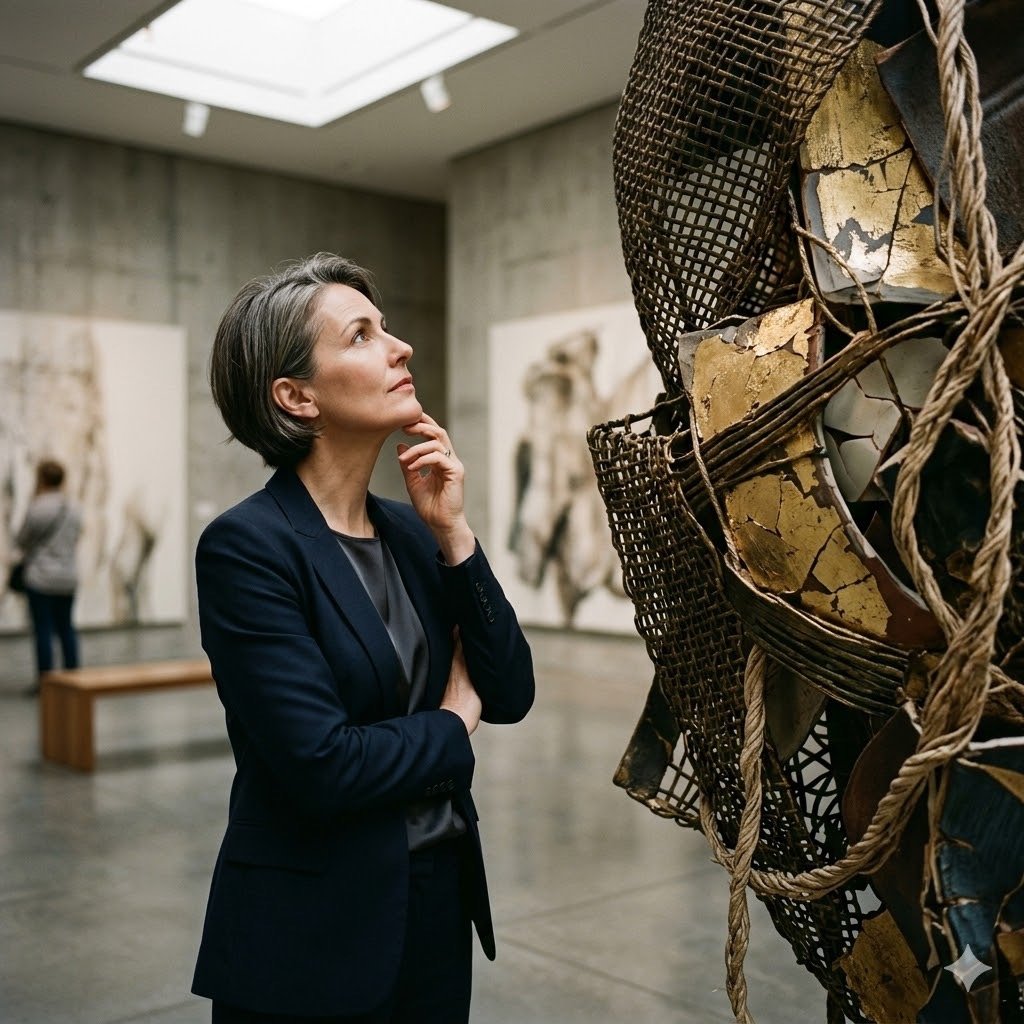
At the center of this inquiry is the concept of aesthetic rapture—a heightened state of emotional and sensory engagement through which individuals move beyond ordinary perception. This intense experience allows art to transform suffering into meaning, offering a form of existential reconciliation. Rather than escaping reality, art reconfigures it, turning pain, loss, and alienation into sources of insight. In this sense, aesthetic experience becomes a form of metaphysical participation, where the boundaries between self, world, and the sacred begin to dissolve.
The study further draws upon religious frameworks to deepen this understanding. Religion is not treated merely as a system of doctrines or institutional practices but as an experiential and interpretive mode of engaging with existence. The concept of the sacred—often described in religious studies as both awe-inspiring and भयमिश्रित आकर्षण (a mixture of fear and fascination)—parallels the aesthetic experience of the sublime. This duality reflects a universal human response to the unknown, where individuals encounter something greater than themselves. Such experiences are not confined to ritual spaces but can emerge through artistic engagement, suggesting that art itself can function as a form of lived spirituality.
In this context, the research re-examines masochism beyond its conventional psychological or pathological definitions. Instead, it is framed as a disciplined engagement with suffering, akin to ascetic practices found in various religious traditions. Practices such as fasting, meditation, and bodily discipline—especially within traditions like Hatha Yoga—are understood not as self-destructive acts but as methods of self-transformation. Through controlled hardship, individuals cultivate awareness, detach from superficial desires, and move toward deeper states of consciousness. This reframing positions suffering as a tool for spiritual refinement rather than mere endurance.
Moreover, the study emphasizes that religion, when approached critically and reflectively, aligns with this transformative process. Rather than advocating blind adherence to doctrine, it encourages a personal and experiential engagement with religious ideas. Religion, in this sense, becomes an art of living—one that involves continuous questioning, self-examination, and alignment with a larger cosmic order. Artistic experience supports this journey by providing symbolic and emotional frameworks through which individuals can interpret their existence.
Metaphysics, often considered abstract or detached from everyday life, is also reinterpreted in this research as deeply practical. It emerges through lived experience, particularly in moments of crisis, reflection, and artistic creation. By recognizing patterns in personal and collective suffering, individuals gain insight into broader existential truths. Art becomes a medium through which these insights are expressed, shared, and understood.
In conclusion, this study establishes that art, religion, and disciplined suffering are not separate domains but interconnected pathways to metaphysical awareness. Aesthetic rapture, when combined with reflective engagement and spiritual discipline, enables individuals to transcend ordinary perception and encounter deeper realities. Ultimately, the research suggests that the pursuit of the divine is not confined to religious institutions but is embedded in the human capacity to create, feel, and transform experience into meaning.
Prajapati, V. (2026). Divine in Art: Aesthetic Rapture, Masochism, Metaphysical Awareness. International Journal of Science, Strategic Management and Technology, 02(03). https://doi.org/10.55041/ijsmt.v2i3.438
Resources
“Powering growth through expert-crafted knowledge—because the right resource at the right time can change everything.”
Support
Connect
support@thelegalsoul.com
thelegalsoul@gmail.com
+91 9289171838 (Whatsapp)
© 2025. All rights reserved.